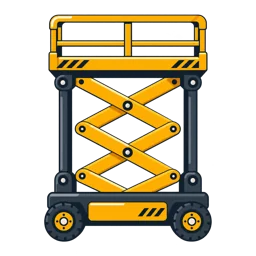
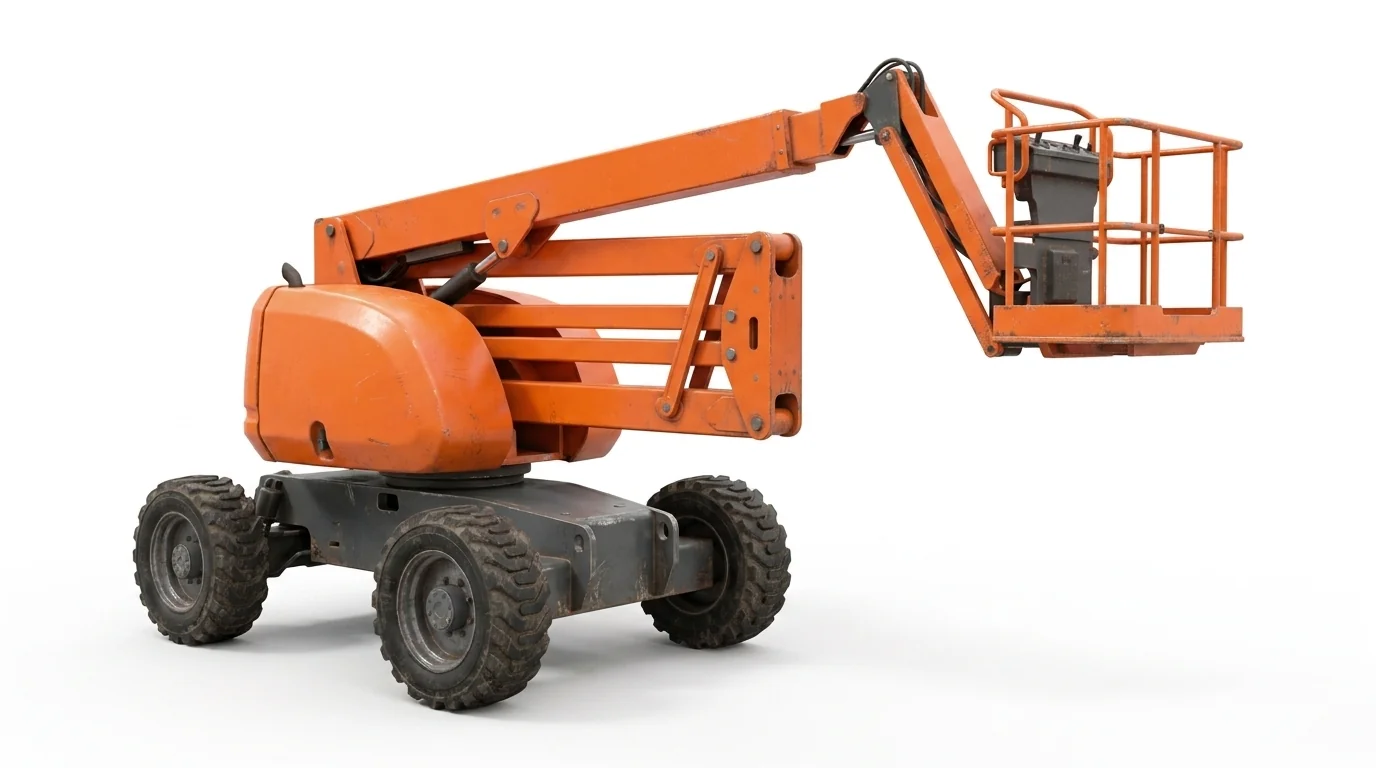
Geometry: straight up vs. up-and-over
- Scissor lifts go straight up where the platform can sit below the task. See electric scissor lifts for interiors and rough-terrain scissor lifts for unsettled ground.
- Boom lifts add horizontal reach. Articulating sections navigate around obstacles; telescopic booms cover longer distances in open areas. Explore options at /boom-lift-rental/.
Local conditions that change selection
- High-bay logistics buildings around Fort Wayne emphasize non-marking tires, compact width, and quiet operation.
- Exterior construction often begins before paving. Expect soft approaches after rain or thaw. Ground clearance and tread matter until slabs and final grades are complete.
Height, reach, and platform planning
- Define working height and whether the task needs outreach above conveyors, roofs, or façade lines.
- Consider platform size for two-person work, materials, or tools. Larger decks reduce repositioning but increase width and weight.
Access path and transport limits
- Doorways, mezzanine openings, and elevator cabs control indoor choices more than the final work height.
- For outdoor sites, grade breaks, ruts, and drainage crossings set the baseline. The softest point on the route should drive the equipment class.
Related categories
Safety note
Exterior or elevated work depends on actual conditions, the unit’s instructions, and site procedures. Plan with current site data, not assumptions.