Site perimeter geometry
Map the line before anything arrives. Are you enclosing a full construction pad or carving a safe corridor through a live industrial property? Corners, gate openings, and clear height near utility runs all affect panel counts and hardware. In dense downtown work, fence lines may need to jog around façades or scaffold legs without blocking lift access.
Surface and footing decisions
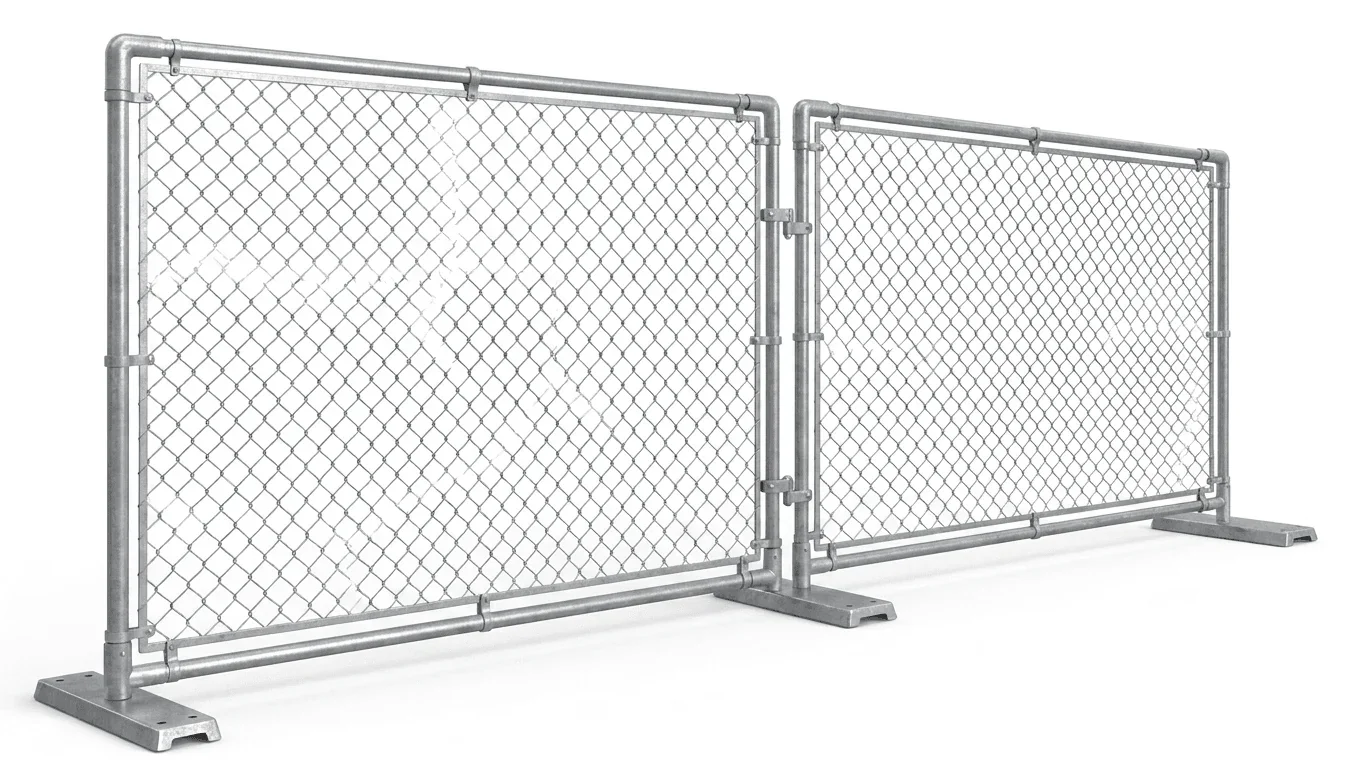
- Pavement: Stands and weighted bases allow quick layout and reduce surface disturbance.
- Compacted soil: Driven posts or stabilized bases improve resistance when ground is firm.
- Soft or saturated areas: Wider footing or site-stability factors spreads load to limit settlement after rain or thaw.
Seasonal wind and freeze-thaw cycles common in the regional climate can shift unsupported sections. Gate placements facing prevailing winds may require additional stabilization per site procedures.
Pedestrian and equipment interfaces
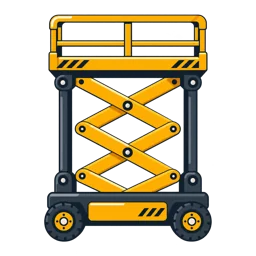
On logistics properties, barricades often create reach zones around docks while preserving forklift aisles. In redevelopment zones, they guide pedestrians around scaffolds and lighting masts. Plan gate widths for delivery trucks and scissor or boom lift access; reference /aerial-lift-rental/ and /boom-lift-rental/ when clearances must accommodate elevated work.
Visibility and wayfinding
Barricade color, reflectivity, and lighting affect night work near warehouses and along busy corridors. Where work continues after dark, coordinate with /generators-light-towers-rental/ to maintain sightlines at gates and crosswalks without washing out operators’ depth perception.
Procedures and conditions govern
Temporary barriers are sensitive to wind, ground movement, and traffic patterns. Actual conditions, the selected system’s instructions, and site procedures govern layout and maintenance throughout the project.