Indoor warehousing and distribution
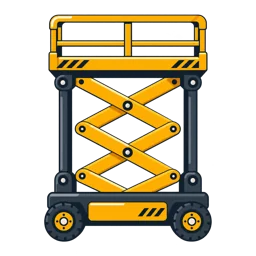
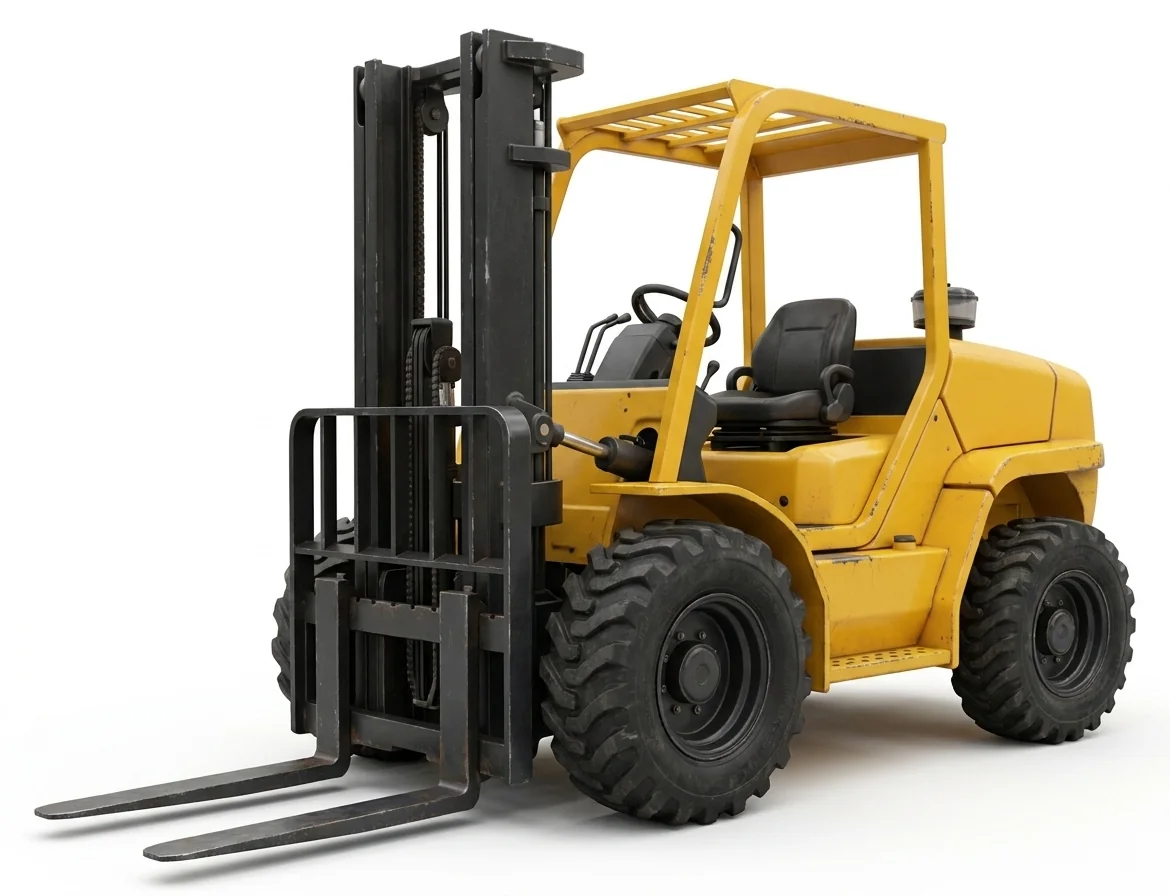
Many Fort Wayne facilities run narrow aisles, tall racks, and polished slab. Non-marking tires, tight turning circles, and compatible mast heights matter. If the task is purely vertical access for people, an electric scissor lift or vertical mast usually fits better than a forklift platform approach.
Transitional and exterior zones
Loading aprons and temporary passages between buildings can involve uneven joints or seasonal moisture. If the route includes soft spots or rough transitions, confirm ground support and curb cuts. For moving pallets over longer outdoor distances or onto elevated decks at job sites, a telehandler often handles reach and clearance more effectively.
Measurements that narrow the forklift choice
- Aisle width at the tightest point and turning space at the end of racks
- Rack face depth, pallet size, and maximum lift height
- Floor type and any areas with drainage issues or expansion joints
- Doorway and dock height/width, including threshold conditions
- Load weights, centers, and frequency of handling cycles
Fort Wayne considerations
Regional precipitation and winter conditions can track moisture onto slabs from docks and yard entries. That influences traction needs, braking expectations, and tire selection. In renovated buildings, protect finished floors and check for mixed slab conditions from old and new pours.
Related categories
- Person-up vertical tasks: vertical mast lifts
- Straight-up platform work on slab: electric scissor lifts
- Outdoor pallet moves to elevated landings: telehandlers
Actual conditions, the selected unit’s instructions, and site procedures govern all material handling and elevated work.