When an articulating boom makes sense in Fort Wayne
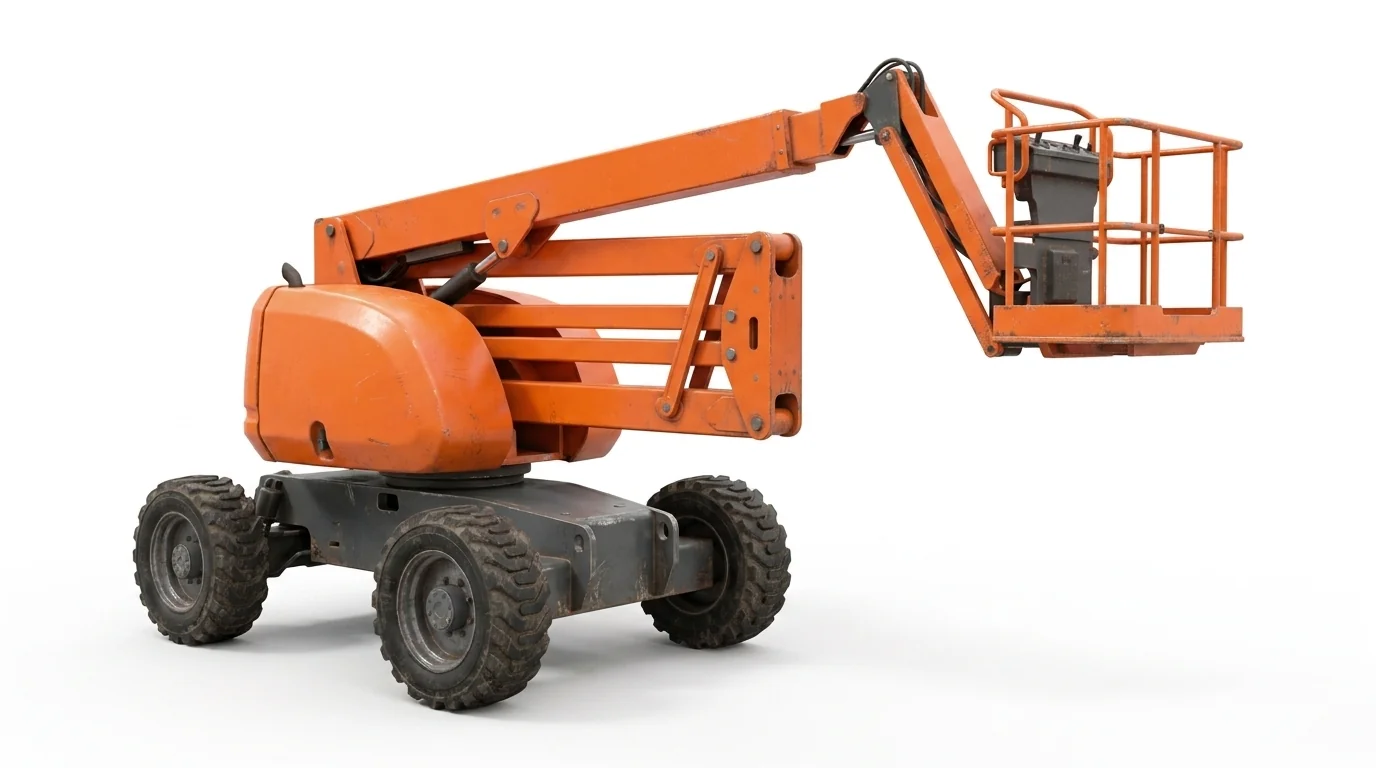
Local jobs often combine tight aisles, overhead obstructions, and mixed surfaces. In reworked industrial sites, roof trusses, catwalks, and new mechanicals can block a straight path. Articulating booms handle these “reach up, then over” lines while staying clear of sensitive equipment below.
Cold, wet seasons affect ground firmness at outdoor projects, especially on sites with poor drainage. If the approach or work zone softens, ground-bearing pressure and tire type become limiting factors. On solid slab indoors, non-marking options are favored to protect finished floors; outdoors, rough-terrain packages and appropriate clearance are typically required.
Key planning dimensions and constraints
- Vertical reach and up-and-over clearance: confirm the highest point you must clear and the horizontal offset beyond that point.
- Setback distance: how far the machine must stand off the façade or obstacle to avoid awnings, parapets, or utility runs.
- Platform capacity and tools: lighting, signage, conduit, or HVAC parts change weight distribution and required capacity.
- Aisle width and swing: articulating booms have tails and turret swing; check wall and rack clearances in indoor aisles.
- Power source and ventilation: electric models suit indoor distribution buildings; diesel models fit exterior construction.
Indoor logistics and data-related facilities
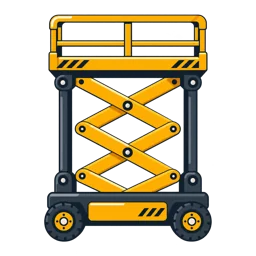
High-bay storage, conveyors, and cable trays create layered obstacles. If the task is inside and floor finishes matter, compare an electric articulating boom to an electric scissor. Scissors excel on straight vertical work below the task; articulating booms take over when overhead structure blocks a scissor’s direct rise.
Exterior construction and redevelopment sites
For envelope repairs, canopies, and recessed façades common in adaptive reuse, articulating booms reduce repositioning around protrusions. During wet months, evaluate approach routes, slope, and any areas with lingering saturation. If the job needs long horizontal reach with fewer joints and ample setback room, a telescopic boom may be cleaner.
Related categories
- For straight-up work on slab: electric scissor lifts
- For maximum horizontal reach: telescopic boom lifts
- For material placement to elevated decks: telehandlers
Next steps
Have the task height, the obstacle height and depth, floor or soil conditions, and access path details ready when you call Fort Wayne Scissor Lift Rentals at (260) 236-5953 or visit /contact/.