Where straight booms fit the Fort Wayne job mix
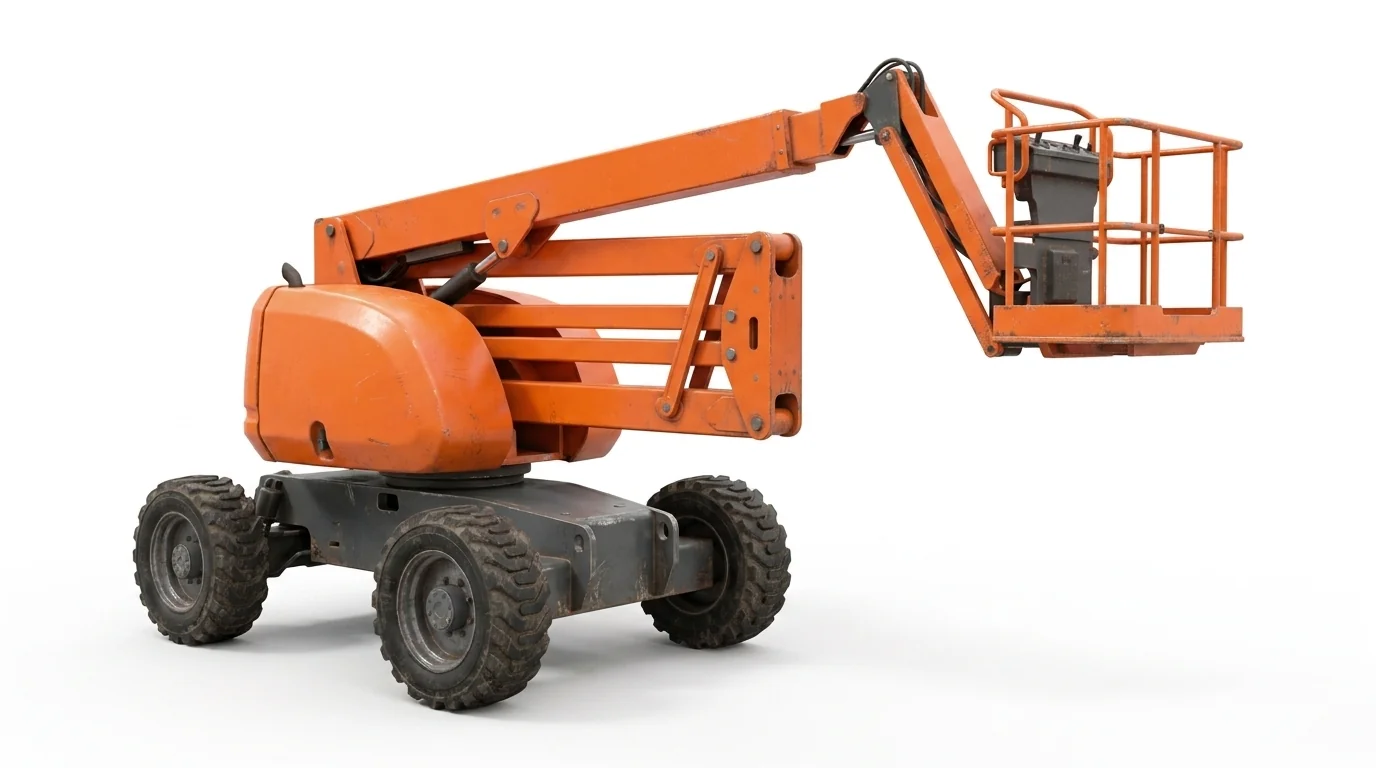
Large industrial sites and expanding logistics corridors often provide clear aprons and predictable setback distances. A telescopic boom covers long reaches to cladding, steel, and signage with fewer joints and a direct platform path. On renovated downtown structures, protrusions and deep recesses may complicate a straight approach; that’s where an articulating boom often performs better.
Surface and weather considerations
Regional precipitation and freeze-thaw cycles can soften laydown areas and temporary access roads. Straight booms rely on firm support along the approach and at the final setup point. Where drainage is uncertain, plan for ground-bearing limits, tire configuration, and potential alternate staging locations. Indoors on slab, a vertical mast or electric scissor usually suits height without the outreach footprint of a large boom.
Measurements that narrow the choice
- Maximum height and horizontal outreach to the task
- Minimum setback distance available along the façade or structure
- Swing clearance for counterweight and chassis during slewing
- Platform capacity and tool weight for exterior installations
- Slope and surface type along the travel path from entry to setup
Fort Wayne-specific approach patterns
On exterior envelopes of industrial buildings, perimeter drives often allow side-on staging. Straight booms excel here, especially for repetitive panel or lighting work. For work above dock positions or recessed bays, confirm whether the boom can sit clear of door hardware and still reach. If indoor maintenance is the priority, look first to aerial lift options better suited to slab and tight aisles.
Related categories
- Up-and-over around obstacles: articulating booms
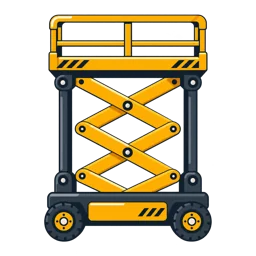
- Vertical work on slab: electric scissor lifts
- Material placement to elevated decks: telehandlers
Actual conditions, the selected unit’s instructions, and site procedures govern elevated work.