Where telehandlers shine locally
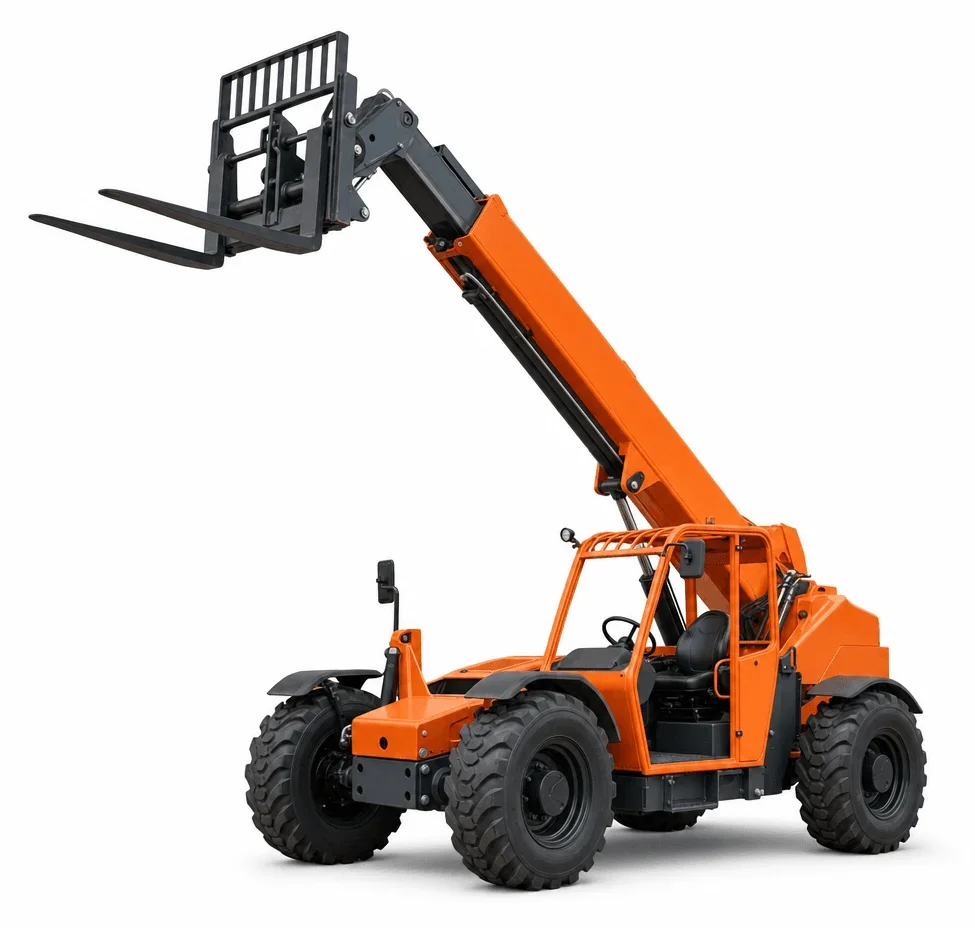
On industrial builds and exterior renovations, telehandlers move materials from ground laydown to elevated edges or interior bays. Long runs across aggregate, wet soil, or seasonal mud are common around Fort Wayne, so approach stability and ground-bearing limits are central to planning. For precise placement inside finished facilities, a forklift generally fits better than a telehandler due to tighter turning and slab-friendly tires.
Measurements that drive selection
- Maximum load weight, load center, and required reach to the landing point
- Height of receiving deck or window, plus any guardrail or parapet to clear
- Travel distance and surface type from laydown to placement
- Turning radius at loading and landing, including any gate or doorway width
- Visibility constraints around staging, scaffold, or shoring
Fort Wayne climate and terrain effects
Frequent precipitation and freeze-thaw cycles can soften yards and staging lanes. That raises questions about tire choice, required traction, and allowable slope. If the ground remains saturated, landing from a closer, firmer approach may outweigh maximum reach on paper. For interior feeding inside high-bay logistics buildings, pair a telehandler for exterior lifts with storage containers for site organization and a forklift for final placement.
Comparing options
- Need elevated worker access more than material reach? See boom lifts.
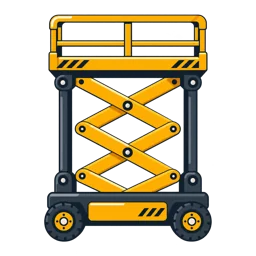
- Need straight-up platform work on slab? See electric scissor lifts.
- Handling small picks inside finished aisles? See forklifts.
Actual conditions, the selected unit’s instructions, and site procedures govern all material handling and elevated placement.