Choose by obstacle pattern
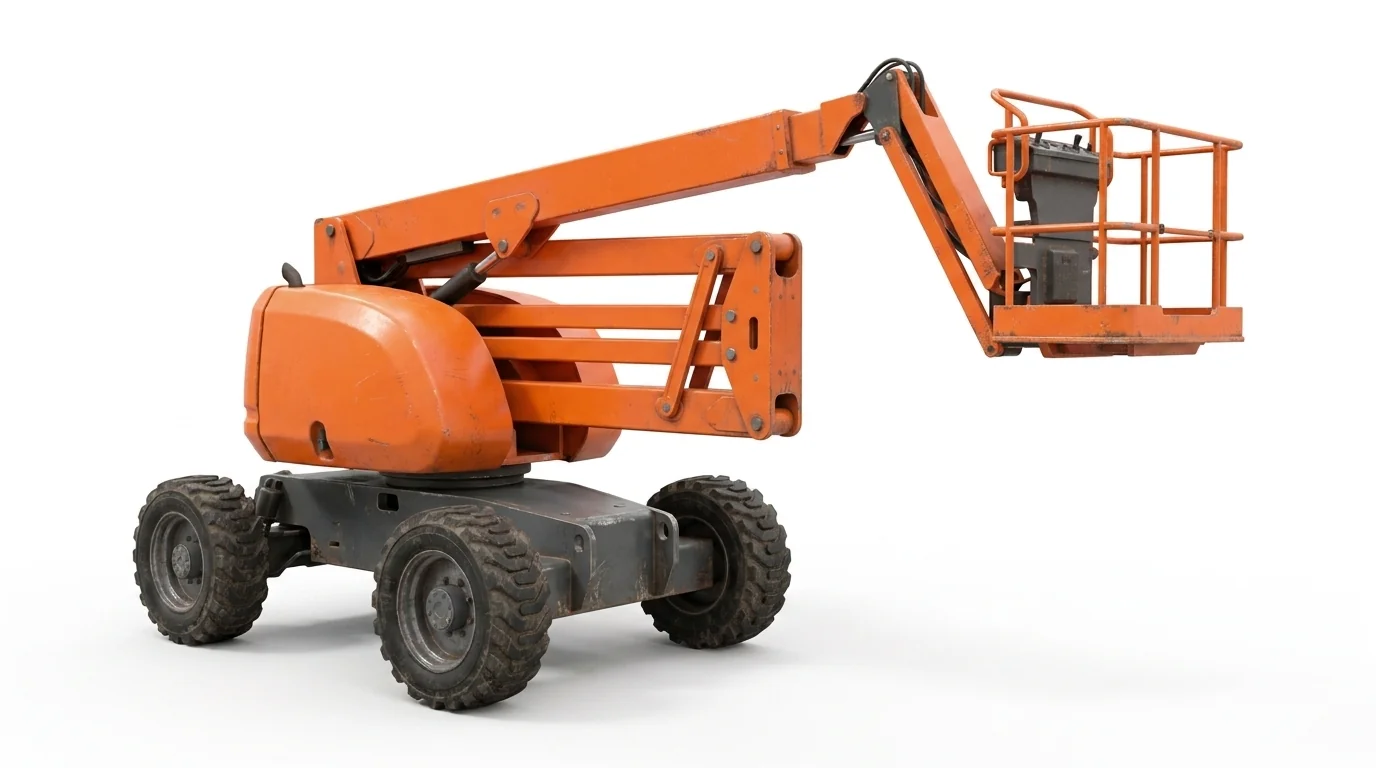
- Articulating booms: multiple joints to reach up and over parapets, conveyors, canopies, or architectural projections common in urban retrofits.
- Telescopic booms: straight sections for long reach across open foundations, staging yards, or utility corridors.
Fort Wayne factors that matter
- Historic interiors and downtown lots limit set-up space; articulating units reduce repositioning and navigate confined approaches.
- Regional precipitation softens unpaved access routes. On open sites, telescopic booms benefit from higher ground clearance and suitable tread when staging off the slab.
Height, reach, and jib details
- Working height and horizontal reach determine model class. A jib can fine-tune positioning under soffits or over cladding lines without resetting the chassis.
- Platform capacity and size affect tool loads and two-person tasks; larger platforms improve productivity but increase overall footprint.
When a scissor is better
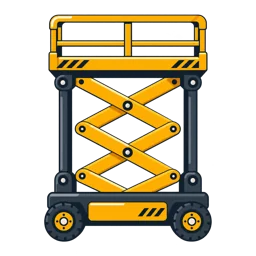
- If the platform can sit directly under the work and space is limited, a scissor lift may provide faster vertical cycles and a wider deck for two-person tasks.
Access and transport constraints
- Measure gate widths, alley clearances, and turning radii on the route to staging. For interior work, confirm door height and floor ratings before committing to a boom inside finished spaces.
Related categories
Safety note
Exterior or elevated work depends on actual conditions, the unit’s instructions, and site procedures. Site-specific planning is essential.